Loss Of Bladder Control Recognizing Urinary Incontinence
The Relationship Between Urinary System Incontinence And Uti
Incontinence can occur when the bladder muscular tissues unexpectedly tighten up and the sphincter muscles are not solid sufficient to squeeze the urethra closed. This creates a sudden, strong desire to urinate that you might not have the ability to manage. Pressure caused by chuckling, sneezing, or working out can create you to leak pee. Urinary system incontinence may additionally happen if there is an issue with the nerves that control the bladder muscle mass and urethra. Urinary system incontinence can indicate you leak a small amount of pee or release a great deal of pee simultaneously.
Blended Signs (Overactive Bladder & Stress Urinary Incontinence)
- A post-void recurring (PVR) figures out just how much pee is left after you pee.
- Therapies such as pelvic flooring muscular tissue workouts, drugs, and nerve stimulation can reduce or eliminate signs and symptoms.
- Urinary system system infections (UTIs), medications and lifestyle habits might also add to your incontinence.
- Rather than contracting only when you pick to pee, your bladder contracts between shower room journeys, causing dribbling and leakage.
There's no need to struggle with urinary system incontinence or over active bladder. Mercy's specialists are below to aid, with therapies varying from lifestyle modifications and basic pelvic-floor exercises to bladder training, drug and surgical procedure. We'll provide complete, compassionate treatment, so you can get back to living easily. Urinary urinary here incontinence and urinary tract infections are frequently highly connected. While incontinence itself does not directly cause an infection, it can enhance the risk of germs getting in and expanding within the urinary tract.

Various other elements, including modifications in nerve signaling in between the bladder and mind, can also add. Your bladder is an organ which works to maintain urine until you prepare to head to the washroom. While urinary system incontinence can be fairly debilitating, interrupting your sleep and day-to-day regimen, it is also a typical and convenient problem.
The examinations are not normally uncomfortable, though they can in some cases cause mild discomfort. The results assist establish whether symptoms are related to over active bladder, deteriorated muscular tissues or other bladder control problems. The professional might be a urologist, who deals with urinary system issues in both males and females, or a urogynecologist, that has special training in the female urinary system. You may likewise need to see a pelvic floor professional, a sort of physical therapist, that will work with you to strengthen your pelvic floor muscle mass that sustain the urinary system tract.Related To This Condition
The sources of male incontinence are as specific as the male himself, and so are the therapies. Depending on what's creating your problem, Dr. Lesani may Urethral insert advise way of living changes, consisting of physical treatment and bladder training. You might likewise take advantage of medicines, laser treatment, or surgical treatment.Publication Your Flexibility+ Chair ™ Treatment At Aniyah Care
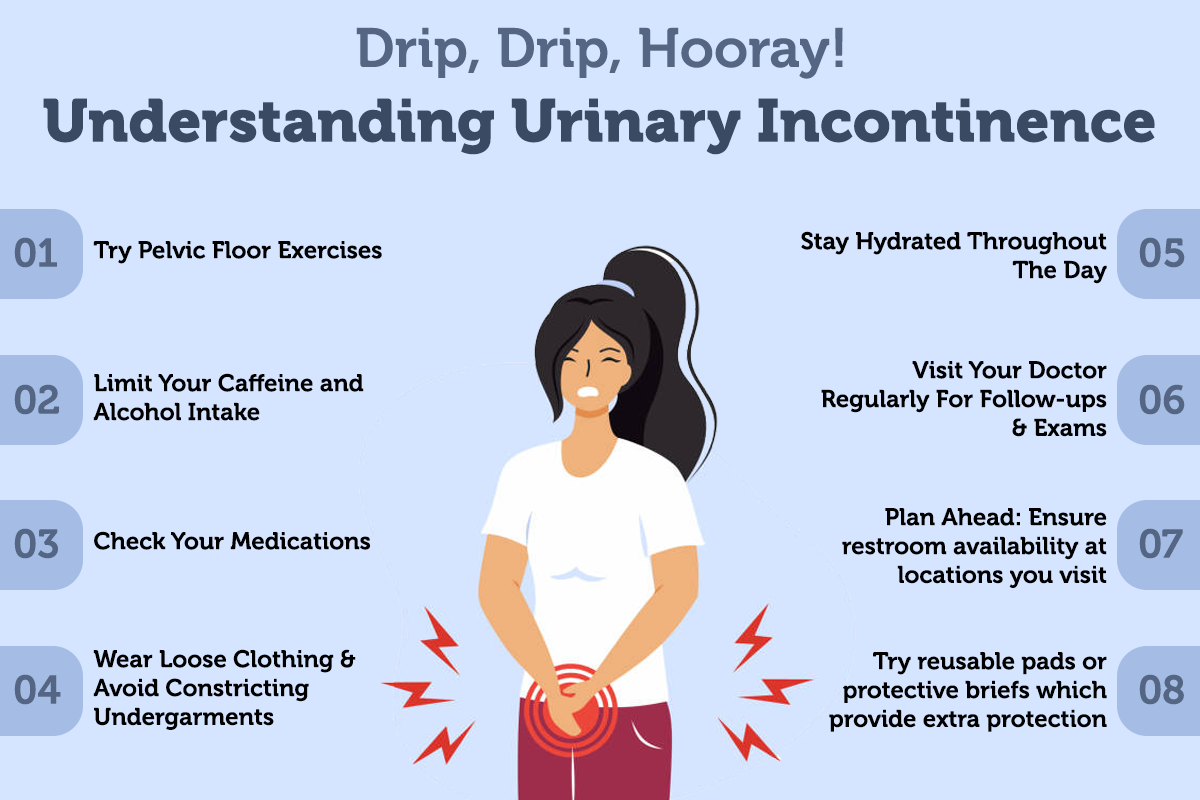
This can produce an abrupt, extreme impulse to pee-- also if you simply went a bit earlier. Urinary system incontinence and OAB are two of one of the most typical conditions that can impact typical peeing. It is necessary to understand the differences and describe exactly how both can be handled.
Yes, an urinary system system infection can momentarily trigger or worsen urinary incontinence in some individuals. When bacteria contaminate the urinary system tract, the bladder lining can become aggravated and inflamed, making it more difficult to control peeing generally. This irritability typically boosts urinary necessity and frequency, which might result in unintentional leak before getting to the bathroom in time. In a lot of cases, signs and symptoms are connected to abnormal bladder muscle activity, where the bladder agreements too often or at the wrong time, even when it isn't complete. This can bring about abrupt urges to pee, regular shower room trips and difficulty holding urine.