Is It Cancer? Why Your Skin Is Expanding Seborrheic Keratosis & Clinical Following Actions Ubie Doctor's Note
Seborrheic Keratoses Bryn Mawr Bryn Mawr Skin & Cancer Institute Seborrhoeic keratosis is a safe warty place that appears during adult life as an usual indication of skin ageing. Seborrheic keratoses are even more of an aesthetic annoyance than a medical problem. However, their appearance can be uncommon, and it is finest not to neglect brand-new developments on the skin, which might be cancer.
After 50 years of age, people can expect seborrheic keratoses to appear eventually.
While any individual may develop SKs, these developments generally initially appear in midlife or later on.
Nonetheless, variables such as genetics, age, sun exposure, and hormonal adjustments are thought to contribute to its growth.
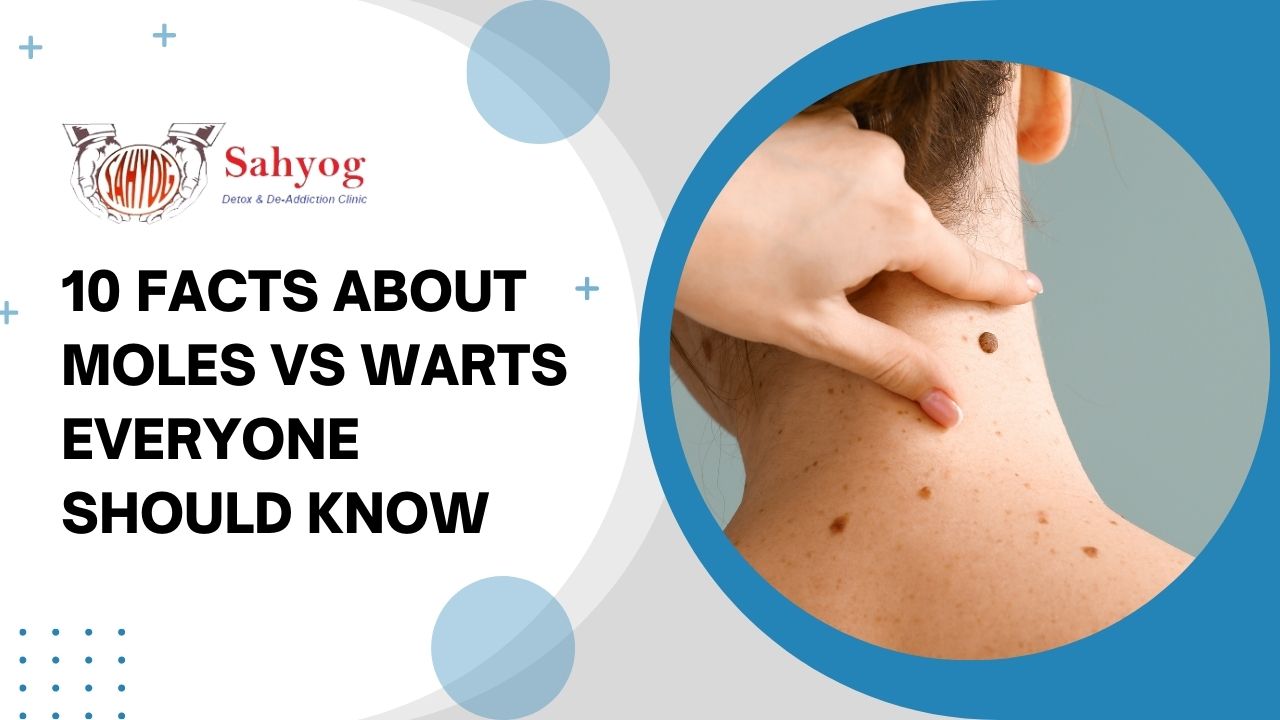
SKs can develop anywhere on the skin, other than the hands of the hands and the soles of the feet. Many SKs appear on the chest, back, scalp, face and neck. You can look by area, problem, and treatment to discover the dermatologist that's right for you.
Seborrheic Keratosis Therapy In Englewood Cliffs, Nj
Seborrheic keratosis elimination may be called for when skin developments impulse or hemorrhage as a result of them rubbing against clothing. Dermatologists might additionally eliminate a seborrheic keratosis for aesthetic reasons. Growths on the face or neck may be unattractive and affect a person's positive self-image.
How to prevent seborrheic keratosis from forming?
There is no recognized way to stop seborrheic keratoses, as they often tend to raise with age and may be genetic. Regular skin checks can help keep an eye on any type of new growths.
Skin Cancer
Once a seborrheic keratosis sore has actually been identified and gotten rid of by a skin specialist in an outpatient setup, a lot of people will certainly not require ongoing therapy. The removal procedure usually involves easy procedures such as cryosurgery (freezing), electrocautery (burning), or curettage (scraping). These techniques efficiently eliminate the lesions without leaving any kind of significant scars. In instances where there is uncertainty concerning the medical diagnosis or if various other skin problem with comparable looks such as lesions need to be eliminated, a biopsy might be performed. A biopsy involves taking a little example of tissue from the affected area for additional evaluation under a microscopic lense. This treatment allows the pathologist to assess the cells and validate whether they are consistent with seborrheic keratosis. Although it prevails, precise details regarding acne can be scarce. After getting rid of the seborrheic keratosis, your doctor may execute a biopsy on it to look for skin cancer cells. Patients that have yet to reach their 50s are much less likely to create seborrheic keratosis than those that are over that age array. Nevertheless, the early stages of the development can begin appearing earlier. Those who have moms and dads or grandparents with seborrheic keratosis are a lot more likely to obtain them when Skin Assessment they are older.
Perioral Dermatitis
While SKs can look like these sores, there are distinctions that aid skin doctors identify seborrheic keratoses from various other sores. A seborrheic keratosis is a noncancerous skin growth. They can range in shade from light tan to dark brown or black. To resolve this issue proactively, regular skin checks with a skin doctor are suggested. By keeping track of any type of changes in the skin's condition or identifying new lesions at an early stage, suitable actions can be taken if necessary. Typically beginning as tiny, rough bumps, SKs Skin Lesion Removal often tend to at some point enlarge and create a warty surface area. Many are brownish, yet these developments range in shade from light tan to black. Some SKs measure a fraction of an inch; others are larger than a half-dollar. However, seborrheic keratosis likewise shows up on skin that hasn't been exposed to the sunlight. Scientists aren't certain why some people get these developments, and others don't. What is clear is seborrheic keratosis is more typical with boosted age. Distinguishing seborrheic keratosis from malignant lesions is impossible without a skin cancer screening from a board-certified skin doctor.